

FQHC short on staff?
Chronic care management for FQHCs and RHCs
With G0511 gone, Companian logs every minute against the right code, so your health center bills cleanly.
- No new hires. We run outreach, consent and monthly calls.
- One file a month. Nothing is billed until you approve it.
- $0 upfront. Works with your EHR, live in about a week.
$66.13* per patient, every month*FQHCs and RHCs, CPT 99490 (2026 national rate)
Get your CCM Plan
Works nationwide
Practices nationwide
You bill under your own NPI
Same Care Advocate every month
RNs, NPs, LCSWs and care companions
Monthly file approved by your team
No new hires needed


One Care AdvocateSame person, every month
Your NPI, your claimYou bill Medicare directly
Monthly billing fileYour team approves it
No upfront cost to the practice. Your team refers, we handle enrollment, outreach and documentation, and you bill Medicare under your own license. We connect with your EHR in about one week, and have worked with eClinicalWorks, Tebra and athenahealth.
Chronic care management for FQHCs after G0511
Three changes health centers now bill under.
G0511 is retired
G0511 was the RHC and FQHC care-management code. CMS moved health centers to individual codes; the grace period ended September 30, 2025.
National rate, not your locality’s
Health centers get each code’s national non-facility amount. An FQHC in Manhattan billing 99490 gets $66.13, not the Manhattan amount of $74.57.
Collaborative care codes changed
From January 1, 2026, collaborative care moved from G0512 to 99492, 99493, 99494 and G2214.
FQHC rules: CMS MLN006397, FQHC booklet (March 2026).
RHC rules: CMS MLN006398, RHC booklet (January 2026).
What 150 health center CCM patients bring in each month
2026 Medicare-allowed amounts, and the diagnosis codes that qualify.
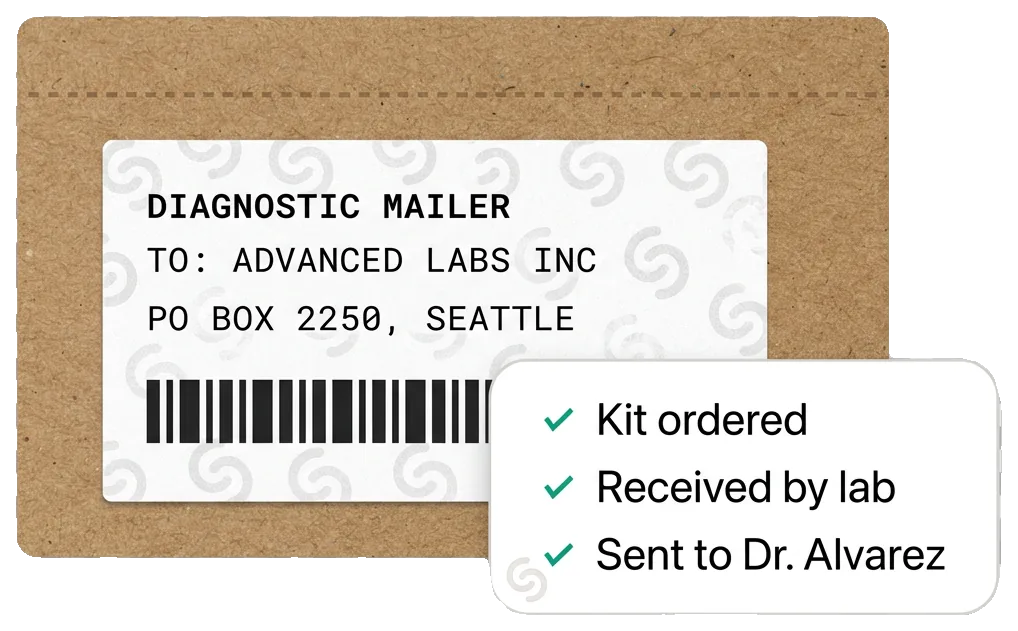
Example panel
$9,920 / month
$119,034 a year · 150 patients × $66.13 (CPT 99490, national)
- FQHCs and RHCs bill CPT 99490 at $66.13 national (2026).
- G0511 is retired; individual care management codes replaced it.
- Each extra 20 minutes adds CPT 99439.
| Condition | ICD-10 examples | Program fit |
|---|---|---|
| Hypertension | I10 | CCM (99490) |
| Type 2 diabetes | E11.9 | CCM (99490) |
| Social needs | Z59.41, Z59.82 | CHI (G0019) |
| Serious single condition | e.g. J44.9 | PCM (99426) |
2026 FQHC care management codes and payments
National non-facility amounts for the programs Companian supports.
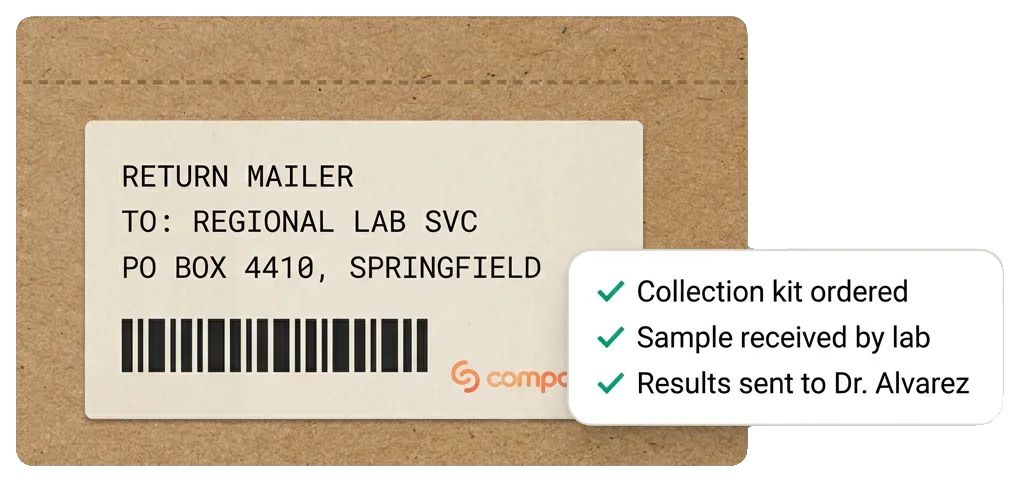
| Code | Program | What the month needs | National 2026 |
|---|---|---|---|
| 99490 | CCM, clinical staff | First 20 minutes | $66.13 |
| 99439 | CCM add-on | Each further 20 minutes | $50.44 |
| 99487 | Complex CCM | First 60 minutes | $144.29 |
| 99426 | PCM, clinical staff | First 30 minutes, one serious condition | $67.80 |
| G0023 | PIN | First 60 minutes | $87.18 |
| G0019 | CHI | First 60 minutes | $86.17 |
| G0557 | APCM level 2 | No time threshold | $53.78 |
| G0558 | APCM level 3, Qualified Medicare Beneficiary | No time threshold | $117.24 |
Which codes your health center reports, and how they flow through billing and cost-sharing, depends on health center payment rules not covered here. Confirm with your billing team before telling patients what they owe.
One patient-month under the individual codes
Example: a patient with diabetes and heart failure gets 45 CCM minutes and 60 separate CHI minutes on transport in one month. Nationally, that supports 99490 ($66.13), one 99439 ($50.44) and G0019 ($86.17): $202.74 before cost-sharing. The last 5 CCM minutes don’t reach a second 99439.
What can share a month
- CCM with either remote physiologic or remote therapeutic monitoring, not both
- CCM during the 30-day transitional care management period
- Not complex and non-complex CCM for the same patient in one month
- Not CCM alongside home health or hospice supervision (G0181, G0182) or monthly ESRD services (90951 to 90970)
- Not APCM and CCM from the same practitioner for the same patient in a month
- CHI and PIN on top of other care management, when time and effort are counted once
How a care management month runs in your center
Your staff shares the list, approves outreach and signs off on the file.
Providers pick the program
For each referral, your providers name the program: CCM, PCM, PIN or CHI, or APCM where we’ve set it up.
You approve outreach
Once you approve a patient, the Care Advocate calls, explains cost-sharing and documents verbal consent. PIN consent renews yearly.
One Care Advocate
The same person calls monthly, routes anything new to your clinicians and logs each minute to one program.
Month-end file
One row per patient: code family, month, minutes by activity, activities, consent date. Nothing is billed until your team approves.
Community health workers, CHI and PIN
Social-needs and navigation work has its own codes and its own staffing standards.
CHI now covers upstream drivers
CY 2026 widens CHI to upstream drivers that interfere with treatment. A psychiatric evaluation (90791) or health behavior assessment can now initiate it.
PIN for one serious condition
For one serious, high-risk condition lasting at least 3 months. Staff need condition training; PIN is once per practitioner per month per condition.
Who can furnish CHI and PIN
Auxiliary personnel, including community health workers, under general supervision. They must be trained or certified under state rules or meet the CMS competencies:
- Communication and relationship-building
- Capacity-building and service coordination
- Advocacy and professionalism
- Knowledge of local resources
Therapists and counselors bill directly
From 2026, marriage and family therapists and mental health counselors can bill CHI and PIN for services they personally perform for mental illness.
Source: CMS, Health-Related Social Needs FAQ.

Questions health centers ask

Can an FQHC or RHC bill APCM?
Yes. The CMS APCM FAQ confirms that RHCs and FQHCs may bill APCM codes. Companian sets up APCM support center by center.
Can APCM carry behavioral health in a health center?
Yes. The 2026 add-ons G0568, G0569 and G0570 cover general BHI or collaborative care when the same practitioner reports the APCM base code that month. They’re in the 2026 FQHC booklet.
Can our own community health workers keep their patients?
Yes. Your providers decide who joins our chronic care management for FQHCs and who stays with your team.
Who supervises the Care Advocates?
The billing practitioner, under general supervision, as CMS allows for clinical staff. Your services agreement sets the arrangement; confirm it with your counsel and billing team.
What does a patient need before CCM starts?
An initiating visit if they’re new or not seen in a year (comprehensive E/M, annual wellness visit or IPPE), plus documented consent. They hear that CCM is available, cost-sharing may apply, only one practitioner can bill it each month and they can stop anytime.
Rates & disclosures
National amounts are 2026 Medicare Physician Fee Schedule non-facility payments at the non-QP conversion factor of $33.4009, computed from CMS RVUs. Your amount depends on your Medicare payment locality; see it in the CCM/PCM revenue calculator. Actual payment depends on participation status, place of service and cost-sharing.
Companian supplies Care Advocates and documentation to physician practices nationwide. Companian is not a medical practice and does not bill Medicare. The billing practitioner keeps the care plan, every clinical decision and the claim. Patients pay the usual Medicare Part B deductible and coinsurance for these services unless other coverage pays it.
Rebuild health center care management on the individual codes
Fifteen minutes on your patient mix and matching codes. No patient information needed.